

- Blog
- Electric vehicles
- How long does it take to charge Tesla
How long does it take to charge a Tesla in 2026?
- Electric vehicles
- 5 minute read

How much does it cost to charge a Tesla? How long does it take to charge a Tesla? How much cheaper is an EV than an ICE vehicle?
If your search history looks anything like this, then it seems that you could be gearing up (excuse the pun) to join the estimated 36% 1 of Australian’s considering an electric vehicle for their next car.
For would-be Electric Vehicle (EV) buyers in Australia, the question of where and how to charge their EV is one of the biggest obstacles slowing adoption.
Compared to our contemporaries in the United States where there are more than 2,500 Tesla Superchargers, Australia’s 100+ Superchargers look rather sparse. The good news is that new public EV charging stations are continually cropping up. And for those with the luxury of a garage or off-street parking, the cost of EV charging hardware and installation is continuing to drop.
Average Tesla charge times in 2026
The average charge time for a Tesla will depend on the model that you choose and your charging method.
Slowest Tesla charge time
The slowest Tesla charging option using a home wall socket (1.5kW) can take 35-40 hours for Rear-Wheel Drive models with a 57.5 kWh battery and 48-54 hours for Long Range and Performance models with a 75 kWh battery.
The batteries in the Tesla vehicles are different to the home Tesla battery that can store solar energy.
Fastest Tesla charge time
The fastest way to charge a Tesla is with the DC Tesla Supercharger. A 0-100% charge can be achieved in around 20-30 min for the 57.5 kWh battery Rear-Wheel Drive Model 3 and Model Y variants. The 75 kWh battery found in the long range and Performance models can be charged from 0-100% in around 30-40 min
The Tesla Superchargers use DC power to charge the battery at a faster rate. It’s worth noting that excessive DC charging using the Tesla Superchargers can lead to a faster rate of battery degradation. By comparison, slower AC charging doesn’t generate as much heat as High-speed DC charging. Exposure to excessive heat is one of the main catalysts for battery degradation, so it’s worth opting for regular AC charging methods where charge time is less important.
Source:
1 EV Consideration rates – Car Sales Business
A breakdown of Tesla charging options in Australia
At-home EV charging (1.5 – 11kW)
There are three options when it comes to charging a Tesla at home:
- Wall socket: 1.5kW
- Single phase power: 7kW
- Three phase power: 11kW
| Pros | Cons |
|---|---|
| Convenient | Garage required |
| Cheapest way to charge your car | Upfront cost to set up charger |
| Solar can be used to charge the vehicle | |
| Charge as you sleep | |
| Car is always charged |
Public EV charging station (11 – 22kW)
| Pros | Cons |
|---|---|
| Typically less expensive than Tesla Supercharger | Free public chargers are disappearing quickly |
| Faster than most at-home chargers | Higher EV uptake means higher demand on public chargers |
| Some public chargers now have fast chargers | Most public chargers require users to supply their own cable |
| Some public chargers continue to be free to use |
Tesla Supercharger (120kW – 250kW)
| Pros | Cons |
|---|---|
| Fast | Highest cost per kWh |
| Easy to use | Patchy network coverage in Australia – 116 Australia wide as of 2026 |
| No BYO cable required | Regular DC charging can lead to faster battery degradation |
| Ideal for fast charging on road trips |
Average charge time for a Tesla in Australia
Average charge times for the six Tesla model variants currently sold in Australia.
Models included
- 1. 2025 Tesla Model 3 – Rear-Wheel Drive (57.5 kWh of usable battery)
- 2. 2025 Tesla Model 3 – Long Range (75 kWh of usable battery)
- 3. 2025 Tesla Model 3 – Performance (75 kWh of usable battery)
- 4. 2025 Tesla Model Y – Real- Wheel Drive (57.5 kWh of usable battery)
- 5. 2025 Tesla Model Y – Long Range (75 kWh of usable battery)
- 6. 2025 Tesla Model Y – Performance (75 kWh of usable battery)
Charging methods
- 1. Home wall socket (1.5kW)
- 2. Single phase or three phase home charger (7 – 11kW charger)
- 3. Public charger (22kW charger)
- 4. Tesla Supercharger (120 – 250kW DC)
Home wall socket (1.5kW)
Charging from a 10A 220V home wall socket is the cheapest – and the slowest – way to charge your Tesla in Australia.
Charging an EV with a typical 10A 220V home wall socket can deliver around 1.5kW of peak power. For reference, that’s about 1% of the rate of charge that you get from a Tesla DC Supercharger.
Charging the smallest battery in Tesla’s fleet, found in the Rear-Wheel-Drive Model 3 and Model Y variants (57.5 kWh of usable battery), from 0 to 100% can take anywhere from 35 to 40 hours. For the larger batteries found in the Model 3 & Model Y Long Range and Performance models (75 kWh of usable battery), charge time from 0-100% from a 10A 220V home wall socket can take 48-54 hours.
Table: 2025 Tesla models charge times from 10A 220V wall socket
| Model | Model year | Battery size (usable capacity) | 0-100% Charge time |
|---|---|---|---|
| Tesla Model 3 Rear-Wheel Drive | 2025 | 57.5 kWh | 35-40 hours |
| Tesla Model 3 Long Range | 2025 | 75 kWh | 48-54 hours |
| Tesla Model 3 Performance | 2025 | 75 kWh | 48-54 hours |
| Tesla Model Y Rear-Wheel Drive | 2025 | 57.5 kWh | 35-40 hours |
| Tesla Model Y Long Range | 2025 | 75 kWh | 48-54 hours |
| Tesla Model Y Performance | 2025 | 75 kWh | 48-54 hours |
Single phase or three phase home charger (7 – 11kW charger)

For most Australian EV owners, a single phase (7kW) or three phase (11kW) home charger are the most common choices for charging an EV.
A single-phase home charger in Australia will typically deliver around 7kW of charging speed, while a three-phase home EV charger can deliver around 11kW, allowing for faster charging speeds.
The Model 3 and Model Y Rear Wheel Drive models, which have the smallest batteries in the Tesla fleet (57.5 kWh of usable battery), can be charged from 0-100% in around 6-9 hours. The same charging time applies to other comparable car models, as it typically takes around 60 kWh of energy to charge an electric car. To charge Tesla’s Long Range and Performance variants with the larger battery (75 kWh of usable battery), charging from 0-100% with a 7-11kW home charger can typically take anywhere from 8-12 hours.
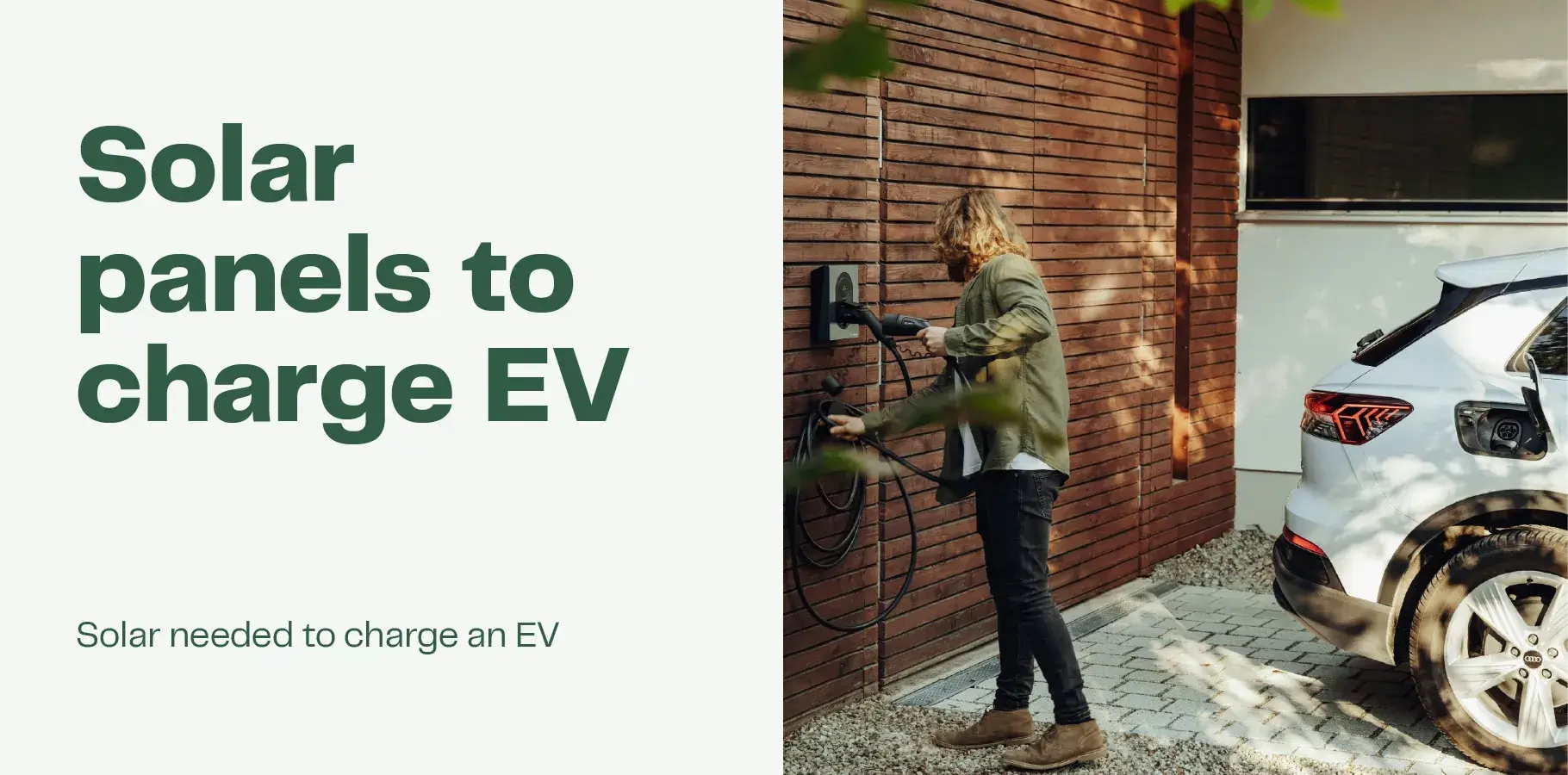
One major benefit of home charging is that you can put your solar panels to use and have them help to further lower the cost of charging a Tesla.
Table: Tesla models charge times from single phase / three phase charger
| Model | Model year | Battery size (usable capacity) | 0-100% Charge time |
|---|---|---|---|
| Tesla Model 3 Rear-Wheel Drive | 2025 | 57.5 kWh | 6-9 hours |
| Tesla Model 3 Long Range | 2025 | 75 kWh | 8-12 hours |
| Tesla Model 3 Performance | 2025 | 75 kWh | 8-12 hours |
| Tesla Model Y Rear-Wheel Drive | 2025 | 57.5 kWh | 6-9 hours |
| Tesla Model Y Long Range | 2025 | 75 kWh | 8-12 hours |
| Tesla Model Y Performance | 2025 | 75 kWh | 8-12 hours |
Public charger (22kW charger)
The average charge time for Tesla’s latest model variants from a public 22kW AC charger in Australia varies according to the model, battery size, and state of charge. While the 22kW charger delivers consistent power, the actual charging speed is limited by the onboard charger capacity of the vehicle, which determines how efficiently the AC power is converted to DC power for the battery.
The smallest capacity battery found in the entry level Model 3 and Model Y variants (57.5 kWh of usable battery) can charge from 0-100% from a public 22kW charger in approximately 3-4 hours in optimal conditions. The larger batteries found in the Model 3 & Model Y Long Range and Performance models (75 kWh of usable battery) will typically take around 4-5 hours to charge from 0-100% on a 22kW public charger. The cost to charge an electric car from a public station is more expensive than from home, typically rates are around 45c / kWh.
It’s important to note that public chargers can be heavily limited by use (more chargers being used limits the charge rate) which can slow the advertised 22kW charger down to around 11kW.
Table: Tesla models charge times from a 22kW charger public charger
| Model | Model year | Battery size (usable capacity) | 0-100% Charge time |
|---|---|---|---|
| Tesla Model 3 Rear-Wheel Drive | 2025 | 57.5 kWh | 3-4 hours |
| Tesla Model 3 Long Range | 2025 | 75 kWh | 4-5 hours |
| Tesla Model 3 Performance | 2025 | 75 kWh | 4-5 hours |
| Tesla Model Y Rear-Wheel Drive | 2025 | 57.5 kWh | 3-4 hours |
| Tesla Model Y Long Range | 2025 | 75 kWh | 4-5 hours |
| Tesla Model Y Performance | 2025 | 75 kWh | 4-5 hours |
Tesla Supercharger (120 – 250kW DC)

The DC Tesla Superchargers are the fastest and most expensive way to charge a Tesla in Australia.
The average charge time for Tesla’s newest model variants from a Tesla Supercharger in Australia varies according to the model, battery size, and state of charge. Peak power delivery of 250kW is typically only seen for the first 10 – 15kW of the charge on a preheated battery. As the state of charge (SOC) increases, the power delivery rate will decrease.
The Rear-Wheel drive Tesla Model 3 and Tesla Model Y models come with the smallest battery capacity (57.5 kWh of usable battery) and can charge from 0-100% on a Tesla Supercharger in as little as 20-30 minutes depending on environmental conditions, battery conditions, as well as Supercharger usage at the time. For the larger batteries found in the Model 3 & Model Y Long Range and Performance models (75 kWh of usable battery), charge time from 0-100% can take anywhere from 30-40 minutes.
Table: Tesla models charge times from Tesla Supercharger
| Model | Model year | Battery size (usable capacity) | 0-100% Charge time |
|---|---|---|---|
| Tesla Model 3 Rear-Wheel Drive | 2025 | 57.5 kWh | 20-30 min |
| Tesla Model 3 Long Range | 2025 | 75 kWh | 30-40 min |
| Tesla Model 3 Performance | 2025 | 75 kWh | 30-40 min |
| Tesla Model Y Rear-Wheel Drive | 2025 | 57.5 kWh | 20-30 min |
| Tesla Model Y Long Range | 2025 | 75 kWh | 30-40 min |
| Tesla Model Y Performance | 2025 | 75 kWh | 30-40 min |
 written byBy Michael Henderson