

- Blog
- Electric vehicles
- Cost to charge an electric car
Average cost to charge an electric car in Australia
- Electric vehicles
- 5 min read

Electric Vehicles (EVs) are better for the environment and cheaper to run than their petrol counterparts. Just how much cheaper depends on the cost to charge an electric car and the price paid for fuelling a petrol alternative.
The cost to charge an electric car depends on:
- The size of the car’s battery
- The cost of electricity
- How and where it is charged
EV batteries typically range from 40 kWh to 100 kWh. The average electric car battery is 73 kWh 1. If we assume an electricity rate of 30c per kWh, the cost to charge the average electric car at home is $21.90.

At the time of updating in February 2026, our analysis shows that the cost to power an electric vehicle in Australia is around 55-65% cheaper than a comparable internal combustion (ICE) petrol vehicle.
However, there are many variables to consider when calculating the cost of charging an electric car.
In Australia, there are three EV charging methods:
- 1. At home using a home charger
- 2. Using a public charging station
- 3. Using a fast charging station
We, investigate the cost of charging an electric car with each charging method.
Sources:
1 EV Database average car battery size
Cost to charge an electric car at home
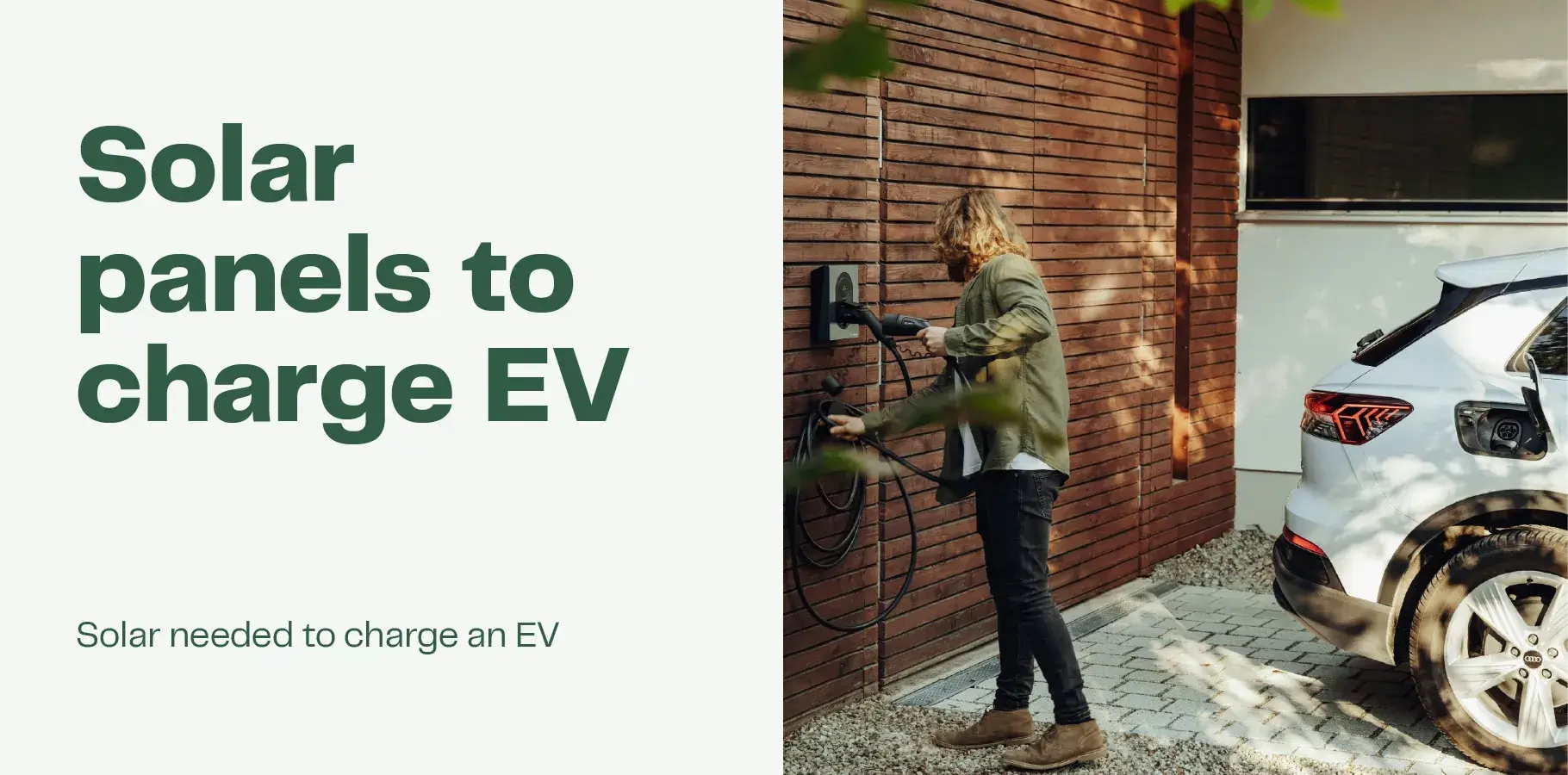
Charging at home is the most popular and cheapest way to charge your electric car.
For the average size car with a battery of 73 kWh, the cost to charge the car with a home charger, in Australia, is $21.90.
| Vehicle | Battery size | $$ At home ($0.30 / kWh) |
|---|---|---|
| Average electric car | 73.0 kWh | $21.90 |
The cost to charge a Tesla Model Y Rear Wheel Drive with a 57.5 kWh battery at home is $17.25 assuming an electricity cost of 30c / kWh. The cost varies according to the size of the battery. For example, the MG 4 with a 51 kWh battery, costs $15.30 to fully charge. The BYD Sealion 7 costs $24.78 to charge because it has a much larger battery (82.6 kWh).
| Vehicle | Variant | Battery size | $$ At home ($0.30 / kWh) |
|---|---|---|---|
| Tesla Model Y | RWD | 57.5 kWh | $17.25 |
| Tesla Model 3 | RWD | 57.5 kWh | $17.25 |
| MG 4 | Excite 51 | 51 kWh | $15.30 |
| BYD | Sealion 7 | 82.6 kWh | $24.78 |
| BYD Atto 3 | Energy Awaken | 50 kWh | $15.00 |
These at-home EV charging costs are calculated using an average 30c / kWh electricity rate. The average cost of electricity varies by state, then by household – account holders choose a retailer that provides them with their own rate.
If you are able to charge your electric car with solar power, the cost to charge the vehicle reduces significantly. Our analysis concludes that an additional 1.5kW of solar panels can charge your electric car effectively.
Cost to charge using a public charging station
It is more expensive to charge an EV at a public charging station than it is at home. However, it is typically must faster to charge an electric car at a public station, especially if the station is equipped with DC fast chargers. For example, it takes twice as long to charge a Tesla at home than at a public station.
The table below shows cost to charge popular electric car models at a public station.
| Vehicle | Variant | Battery size | $$ Public charger ($0.45 / kWh) |
|---|---|---|---|
| Tesla Model Y | RWD | 57.5 kWh | $25.88 |
| Tesla Model 3 | RWD | 57.5 kWh | $25.88 |
| MG 4 | Excite 51 | 51 kWh | $22.95 |
| BYD | Sealion 7 | 82.6 kWh | $37.17 |
| BYD Atto 3 | Energy Awaken | 50 kWh | $22.50 |
At an average rate of 45c/kWh, charging the MG 4 Excite 51 with its 51 kWh battery costs $22.95. The BYD Atto 3 Energy Awaken, with a 50 kWh battery, costs $22.50 to fully charge. The BYD Sealion 7, which features a larger 82.6 kWh battery, comes in at $37.17.
Costs may be higher when using high-speed DC chargers, which are becoming increasingly common across Australia’s growing charging network.
Cost to charge using a fast charger
Using a fast charger is the quickest way to recharge your EV, but it also the most expensive method.
| Vehicle | Variant | Battery size | $$ Fast charger ($0.65 / kWh) |
|---|---|---|---|
| Tesla Model Y | RWD | 57.5 kWh | $37.38 |
| Tesla Model 3 | RWD | 57.5 kWh | $37.38 |
| MG 4 | Excite 51 | 51 kWh | $33.15 |
| BYD | Sealion 7 | 82.6 kWh | $53.69 |
| BYD Atto 3 | Energy Awaken | 50 kWh | $32.50 |
At an average fast charging rate of 65c/kWh, it costs $33.15 to fully charge the MG 4 Excite 51 with its 51 kWh battery. The BYD Atto 3 Energy Awaken, with a 50 kWh battery, comes in at $32.50. For drivers of the BYD Sealion 7, with its larger 82.6 kWh battery, a full charge costs $53.69.
While fast chargers offer speed and convenience (especially on long trips), regular use adds up and impacts potential savings. Charging at home or using slower public chargers remains the most cost-effective option for everyday driving.
Cost to charge an EV vs. a petrol vehicle
To compare costs between an electric car and a petrol car, we’ve selected the highest-selling models in each vehicle segment.
For the comparison, we assume the following:
- An average fuel price of 1.90 / L
- An average at-home electricity cost of $0.30 / kWh
The table below shows the cost to charge popular electric vehicles compared to their petrol counterparts over a 100km range:
| Car size | Car type | Cost per 100km |
|---|---|---|
| Small – medium | EV | $4.98 |
| Small – medium | Petrol (ICE) | $11.40 |
| Crossover | EV | $4.71 |
| Crossover | Petrol (ICE) | $13.68 |
The figures show that it is significantly cheaper to charge an electric car as opposed to refuelling a petrol vehicle. Charging at home using solar power will further lower the cost of running an electric car.
Notes and data
More details on the models and consumption levels of each car used in this comparison can be found in the table below.
Electric vehicles:
| Type | Make & Model | Starting price | Battery size | Consumption / 100km | Cost |
|---|---|---|---|---|---|
| Small-Medium EV | BYD Seal Dynamic | $40,700 | 61.44kWh | 16.6 kWh | $4.98 |
| Crossover EV | Tesla Model Y RWD | $64,000 | 60 kWh | 15.7 kWh | $4.71 |
Petrol cars:
| Type | Make & Model | Starting price | Engine | Fuel consumption / 100km | Cost |
|---|---|---|---|---|---|
| Small-Medium ICE | Toyota Corolla ZR | $36,000 | 2.0L | 6.0L | $11.40 |
| Crossover ICE | Kia Sportage SX AWD | $44,050 | 1.6L | 7.2L | $13.68 |
Estimated real-world range figures: The above calculations use a conservative 80% of the quoted WLTP figures for electric cars.
Comparison notes
The above figures do not factor in the typical mode of driving. Petrol vehicles are more efficient on highways as opposed to stop-start city driving. The opposite is true for EVs, they perform better in city driving conditions.
It’s also important to weigh up the purchase cost of the vehicle. It is possible to claim an EV rebate, or apply for low-cost financing, in some states in Australia which can reduce the cost of purchasing an electric car.
Factors that determine the cost to charge an EV

Where you charge: As shown above, the location and charging method plays a significant role in the time it takes to charge an EV and the cost. Using a home charger, or even better, utilising your own solar power, can significantly reduce the cost of charging an electric car, particularly when compared to DC fast chargers.
Electricity rates: Electricity costs and time-of-use tariffs influence the cost of charging. The average cost of electricity in Sydney is higher than in Melbourne – so it will cost Sydney drivers more to charge their EV from the grid.
Driving habits: Whether your car is an EV or fuelled by petrol, how you drive plays a key role in determining efficiency. Sensible acceleration and braking behaviour will improve driving efficiency and lower your running costs.
Where you drive: The driving you do – inner city vs. highway plays a key role in determining how efficiently your vehicle will perform. EVs thrive in urban environments where they can make the most of regenerative braking.
 written byBy Michael Henderson