

The $2.3 billion federal Cheaper Home Batteries Program will roll out from 1 July 2025, with eligible homes and small businesses set to benefit from an upfront discount of around 30% on residential battery purchases.
The Cheaper Home Batteries Program is an Australian Government initiative aimed at increasing the adoption of small-scale battery systems among owners of new and existing rooftop solar installations.
There is no limit on the number of available subsidies, meaning all eligible households and businesses that meet the criteria can access the battery rebate without the risk of missing out.
Why is the Cheaper Home Batteries Program being rolled out?
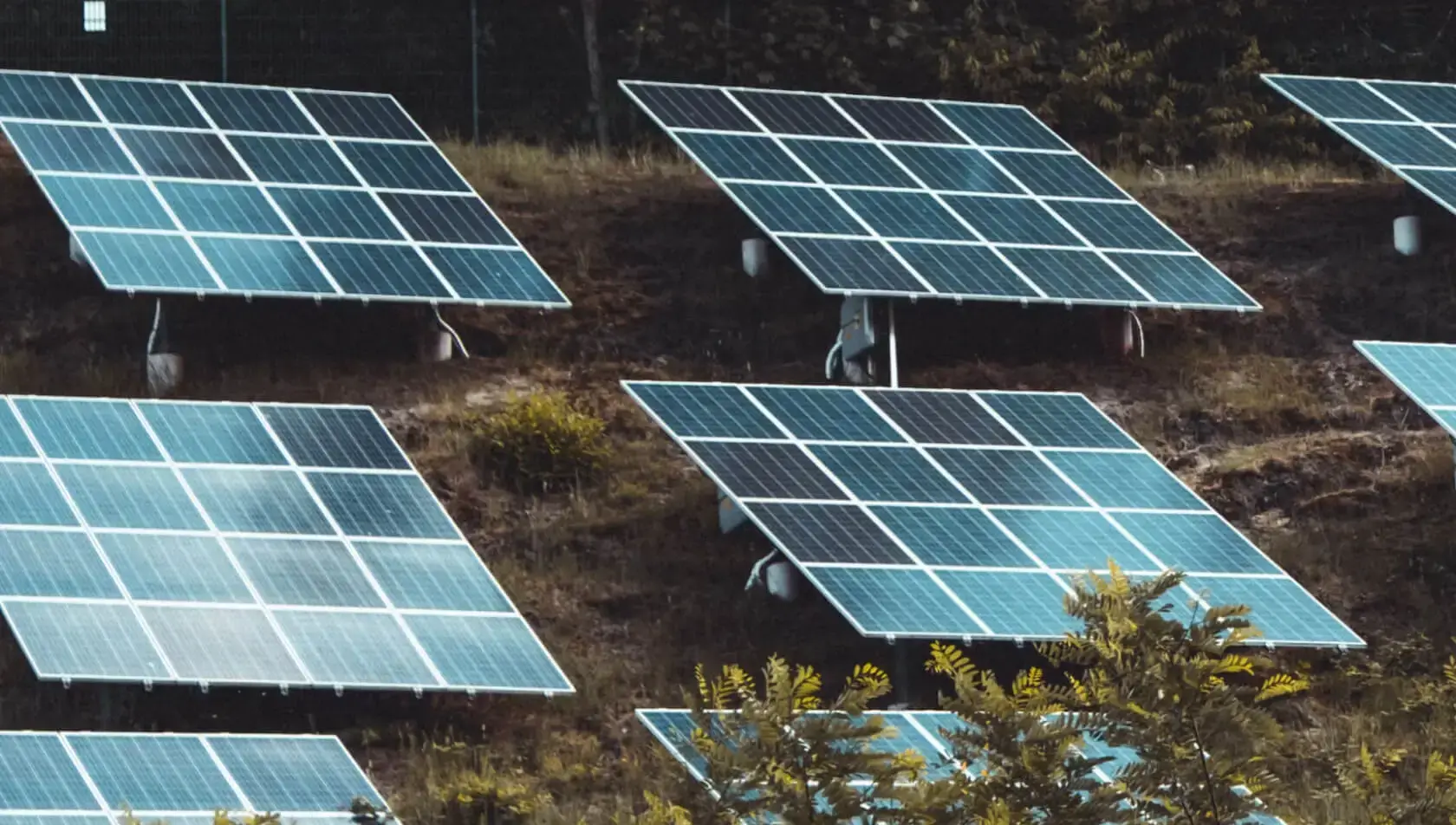
Australia has the highest global adoption rate of residential solar in the world. With some 4 million solar systems installed in Australia, the numbers work out to more than 1 in 3 homes now having rooftop solar.
And whilst Australians have been quick to adopt rooftop solar, making the most of ongoing federal rebates and incentives, the same can’t be said for batteries, with less than 5% of solar-equipped homes also installing a battery to store excess energy.
The Cheaper Home Batteries Program is an extension of the Small-scale Renewable Energy Scheme (SRES). It aims to rapidly increase the uptake of residential batteries amongst new and existing solar-equipped homes and small businesses.
How much can I save?
In 2025, the federal home battery rebate/subsidy will offer a maximum rebate of $372 per kilowatt-hour (kWh) of usable battery capacity.
The Department of Climate Change, Energy, the Environment and Water provides the following examples for potential savings under the program:
- $4,000 off the upfront cost of installing an 11.5 kWh battery previously costing around $13,000.
- $700 to $1,600 per year on their electricity bill, with the battery delivering $300 to $900 of that.
For popular home batteries, including the Tesla Powerwall 3 and similar alternatives with a capacity of around 11 kW, the Cheaper Home Batteries Program will mean substantial savings on the upfront cost of installation.
Potential upfront battery savings by size
| Battery usable capacity (kWh) | Maximum rebate ($) |
|---|---|
| 8 kWh | $2,976 |
| 10 kWh | $3,720 |
| 15 kWh | $5,580 |
| 20 kWh | $7,440 |
| 30 kWh | $11,160 |
| 50 kWh | $18,600 |
Under the new program, the average solar battery payback period would be significantly shorter, making battery storage an ROI positive investment in many households within just a few years, especially when paired with high solar self-consumption, diminishing feed-in-tariffs and rising electricity prices.
Cheaper Home Batteries Program eligibility criteria
The Cheaper Home Batteries Program is open to all eligible Australian households, small businesses, and community organisations. This is a nationwide program that will run independently of other state and territory rebates, allowing them to be combined where applicable. The NSW Peak Demand Reduction Scheme has been altered to work in conjunction with the new national program.
Batteries must be purchased and installed after the program launch date on July 1, 2025.
System requirements
- The battery must be under 100 kWh capacity with a maximum rebate on up to 50 kWh of usable capacity.
- Systems must be new; second-hand or refurbished systems are not eligible for the rebate.
- Must be installed with a new or existing rooftop solar PV system.
- Existing systems must:
- Meet electrical safety standards.
- Have VPP (Virtual Power Plant) capability, where required.
- Batteries (and inverters) must be approved by the Clean Energy Council (CEC), and installers must be accredited.
Note: The system does not require a full replacement – existing systems can be upgraded if they are compliant.
Installation standards
- Battery and solar components must be on the Clean Energy Council’s (CEC) approved product list.
- Installers must:
- Be properly trained and accredited.
- Follow SRES compliance and safety rules.
- Must be a permanent installation – portable and temporary installations are not eligible for the rebate.
Subsidy details
- The Cheaper Home Batteries Program starts on 1 July 2025 and will gradually reduce until 2030.
- Eligible systems receive an upfront discount of approximately 30%.
- The discount is based on the battery’s usable capacity.
- No extra cost passed on to the consumer – discount funded by the federal government.
Final thoughts
The Cheaper Home Batteries Program is the most significant extension to the Small-scale Renewable Energy Scheme (SRES) in quite some time. With rebates on solar panels and systems starting to slow, the Cheaper Home Batteries Program marks a significant shift towards the next phase of Australia’s clean energy transition by helping small businesses and households maximise the value of their solar investment.
The program is set to carry through to 2030 with diminishing returns expected each year under the program. For those on the fence about a solar battery, now is the time to act. Early adopters will benefit from the highest available rebates and shorter payback periods as electricity prices continue to rise and feed-in tariffs decline.
 written byBy Michael Henderson